Why Pay Frequency Matters: Weekly, Bi-Weekly & Monthly Pay Explained in the U.S.
Most people look at their paystubs to see how much they made, how much they paid in taxes, and how much was taken out. But one important thing that people often forget is how often you get paid. In the US, you can get paid weekly, bi-weekly, semi-monthly, or monthly. Each of these options has a different effect on budgeting, taxes, savings, and financial planning.
Knowing how often you get paid will help you read your paystub correctly, plan your bills better, and keep better control of your money. If you work for someone else and get paystubs from them, or if you work for yourself and make your own with a tool like Stubcheck, you need to know how often you get paid.
The Most Common Pay Frequencies in the U.S.
Weekly Pay (52 paychecks a year)
- Retail
- Hospitality
- Construction
Hourly wage jobs are all common places where people get paid every week.
Every week, usually on Fridays, workers get paid.
Benefits:
- Easier to plan for weekly costs
- Faster access to money earned
- Good for people who live paycheck to paycheck
Downside: More pay periods mean that each paycheck is smaller.2. Pay every two weeks (26 paychecks a year)
This is the most common way to pay in the U.S. Benefits:
• Workers get paid every two weeks. - For two months a year, they get three paychecks, which helps them save money.
• A steady stream of income
Downside: Some months feel tighter because there are fewer times to get paid.3. Pay every two weeks (24 paychecks a year)
Employees get paid twice a month, usually on the 1st and 15th or the 15th and 30th.
Pros:
• Works well with monthly bills
• Paychecks are bigger than they are every two weeks.
Downside: Paydays are on certain days of the week, not on weekends, which can be confusing.4. Pay every month (12 checks a year)
More common in jobs with higher pay or more responsibility.
Pros:
• A lot of money in the paycheck - Good for people who plan their budgets for a long time
Downside: You need to be very disciplined with your money to live on one paycheck for a whole month. 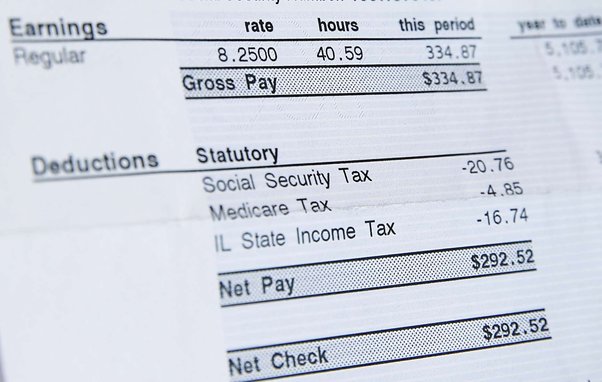
How the frequency of your pay affects your income
Even though your annual income stays the same, how often you get paid affects how that income is divided. As an example:
• A yearly salary of $52,000 means:
o Weekly: $1,000
o Bi-weekly: $2,000
o Semi-monthly: $2,166
o Monthly: $4,333
This difference is clear on your pay stub.
Why the frequency of pay is important for understanding your paystub
Your pay frequency affects how information looks on your pay stub:
Pay Before Taxes
The number of pay periods is used to figure out gross income. Each paycheck is smaller because there are more pay periods (weekly).
Deductions
Every time you get paid, taxes are taken out. More paychecks mean more cycles of withholding.
Totals for the Year So Far
YTD goes up steadily with each pay period. Knowing how often you get paid helps you make sense of your YTD numbers.
Saving and budgeting
Weekly pay schedules make it easier to plan your budget, but monthly pay needs more planning.
How Pay Frequency Affects Freelancers
Freelancers don’t always get paid on a regular basis. They might get paid:
- For each project
- For each week
- For each milestone
Not on a regular basis
With Stubcheck, freelancers can: - Choose how often they get paid
- Keep their income records consistent
- Make sure their financial documents are always the same
Make professional paystubs for taxes, loans, or rentals.
How Businesses Decide When to Pay
Companies decide when to pay their employees based on the following factors:
- State laws
- Payroll budget
- Type of employee (hourly or salaried)
- Administrative costs
Employees should always look at their pay stub to see which schedule applies to them.Last Thoughts
The frequency of your pay affects everything, from how your paycheck looks to how you handle your monthly bills. Knowing if you get paid weekly, bi-weekly, semi-monthly, or monthly can help you read your pay stub correctly, plan your budget, and get your finances in order. Freelancers can also benefit from using professional paystub generation tools to set a regular pay schedule.FAQ’s
1. What is the most common pay frequency in the U.S.?
In the United States, the most common pay schedule is every two weeks. The Bureau of Labor Statistics says that this is especially common in the private sector. Employees get paid every two weeks, usually on a certain day like Friday, if they work on a bi-weekly schedule. This means you get 26 paychecks a year. There are 52 weeks in a year, so there are two months each year when employees on this schedule get three paychecks instead of the usual two. These are often called “bonus” pay periods.
2. Does how often I get paid affect my taxes?
No, the amount of tax you owe for the year doesn’t change based on how often you get paid. The amount of taxes you owe each year is based on how much money you make and how you file, not on how many paychecks you get.
But the amount taken out of each paycheck can change a little depending on how often you get paid. Payroll systems figure out how much to withhold based on the pay period. The math for a weekly paycheck and a monthly paycheck may sometimes lead to small differences in how much is withheld from each check, but these differences usually even out when you file your annual tax return.3. Do freelancers get to pick how often they get paid?
Yes, but you have to talk about it first. Freelancers and independent contractors often have more freedom than traditional W-2 employees, who have to follow their employer’s set payroll schedule. You can set the terms of payment in your contract or invoice.
Some freelancers ask for payment when a project is done, while others with long-term retainers might bill every month or every two weeks. Before starting work, it is very important to agree on these terms in writing, such as “Net 15” (payment due 15 days after invoice) or “Net 30.” This will help keep cash flow steady.4. What is the best pay frequency for making a budget?
Monthly pay is often thought to be the best way to line up with major bills, but it really depends on how you spend your money. Most of the time, rent, mortgage payments, car notes, and utility bills are due once a month. Getting paid once a month lets you pay all of your big bills at once and save the rest for the rest of the month.
On the other hand, weekly pay can be good for hourly workers who live paycheck to paycheck because it gives them cash more quickly for things they need right away, like gas and groceries. Pay every two weeks is a good compromise, but it can be hard to budget because the pay dates are a little different from the calendar month dates.5. Will my yearly salary go up or down if my pay frequency changes?
Your gross annual salary stays the same no matter how it is split up. If you make $60,000 a year, you will get that amount in full, whether it is divided into 12 monthly checks of $5,000, 24 semi-monthly checks of $2,500, or 26 bi-weekly checks of about $2,307. The only things that change are the amounts of each check and the dates when the money is deposited into your bank account.