Understanding Year-to-Date (YTD) Earnings on Your Paystub in the U.S.
Recognizing Year to Date (YTD) Earning on Your Paystub
When reviewing a paystub, most individuals only look at how much they were paid in a specific timeframe to see what they earned for the current pay period. In a paystub, YTD (Year to date) earnings section entails how much one has earned for the current period (month, week, or biweekly), along with how much they earned for the full employment tenure, which helps in tracking annual finances to see how much has been earned, spent, and saved along with helping track how much has been paid in taxes, what has been deducted, and what has been lost in a given period. This section is important because most employers give paystubs on a periodic (weekly, biweekly, or monthly) basis. YTD earnings are important for anyone (employees, freelancers, or self employed) to understand because they provide a basis for better budgeting, strategic tax planning, and precise financial record keeping. This document will cover everything regarding YTD earnings on paystubs.
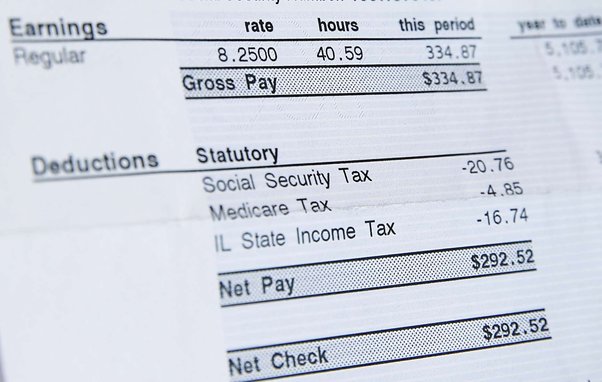
What YTD Earnings Are ?
YTD (Year to Date) Earnings :YTD (year to date) earnings represent a snapshot in time, displaying the sum of all the money the employee has earned from the beginning of the calendar year to the present paycheck. Earnings in YTD earnings are made up of all the money earned (gross) and all the money lost (deductions).
In YTD earnings, the employee will see the following:
• Gross earnings
• Tax deductions (what was paid to the government, also called withholding taxes)
• Deductions for benefits (paid for things like health care or other coverages)
• Net pay (what the employee takes home)
• Contributions to retirement plans (what the employee has saved for retirement)
YTD values reset on Jan 1st and typically accrue all year.
Importance of YTD Earnings
YTD amounts should matter to you because they provide a snapshot of all your financial movement in a calendar year.
YTD earnings enable and assist individuals with the following:
1. Budgeting and Financial Planning
YTD totals provide a foundation for individuals to understand their financial movement (cash inflow and cash outflow) through savings, earnings, and spending. YTD totals in a calendar year help individuals understand how much has been earned.
2. Tracking Your Taxes
Because your pay stub shows how much you have paid in federal, state, Social Security, and Medicare taxes in the current calendar year, you can avoid unpleasant surprises when completing your annual income tax return.
3. Detecting Mistakes
If your YTD payroll amounts suddenly increase or decrease, it could indicate an error in the payroll system.
4. Understanding Your True Income
From one applies period, it can be difficult to determine how much you are earning in total. YTD provides that information.
5. Loan and Rental Applications
Many lenders and landlords require YTD totals when assessing someone’s financial situation and stability.
Breakdown of YTD Categories
Your paystub usually contains these YTD categories:
YTD Gross Pay
This is how much your income is on an annual basis before taxes and any deductions that are made from your paycheck as of the current pay period.
YTD Net Pay
This is the annualized income that you have received as a deposit in your bank account for the year, which includes money received from the beginning of the year to the current pay period.
YTD Taxes Paid
This covers your taxes that have been paid as of the current pay period, and includes:
- Federal tax
- State tax
- Social Security tax
- Medicare tax
Being able to track these amounts paid tax is helpful when preparing annual income tax returns.
YTD Deductions
Contributions made for the following cover the total amounts paid with respect to these YTD deductions:
- Health insurance
- Dental insurance
- Retirement savings
- Life insurance
- Voluntary deductions
The Usefulness of YTD for Employees
YTD records allow employees to:
- Conduct annual income comparisons
- Monitor raise and bonus amounts
- Verify tax withholding calculations
- Track contributions to their retirement plans
- Prepare income documentation for loans and leases
Employees also get help resolving any annual payroll errors, which is one of the main reasons for YTD records.
The Usefulness of YTD for Freelancers and the Self-Employed
Paid employees may not realize this, but freelancers do not receive YTD totals from any employer. YTD paystubs help to:
- Determine annual income from various clients
- Determine payments of estimated quarterly taxes
- Estimate annual tax liability at the end of the year
- Provide income documentation for various purposes
- Maintain a complete record of income for their books
Freelancers can now create YTD paystubs with Stubcheck and other services.
YTD for Landlords and Income Verification
YTD amounts allow services to determine a client’s:
- Income stability
- Ability to make payments
- Job security
- Economic advancement
Illustration:
Lenders may ask for additional documentation of income if your monthly income is $4,000, but your YTD suggests a low income over the year.
Strategies for Error Checking YTD Figures
Checking for YTD without errors requires a few verifications. Confirm that;
- YTD gross equals your total gross earnings for the year to date.
- YTD tax withholdings correlate with the tax brackets you fall into.
- The YTD contribution to each benefit equals the plan you selected.
- Correct inclusion of YTD bonuses and commissions
YTD tax discrepancies create a significant risk for future tax problems.
How Stubcheck Assists in YTD Autonomation ?
Using a Stubcheck service for paystubs permits the user to:
- Enter the actual gross income
- Enter tax and deduction amounts
- Maintain a running tally of year to date totals
- Create a consolidated paystub that is formatted in pdf
- Utilize the paystub for organization purposes when applying for a loan or rental or when preparing tax documents
For many self-employed individuals, Stubcheck is an excellent service for the purpose of income documentation.
Conclusion
For all paystubs, YTD earnings are the most crucial section and they are most useful for determining your financial situation, not just your income for a specific pay period. YTD earnings facilitate efficient budgeting, tax preparation, and financial planning & forecasting. Professional paystub software promotes accuracy and real-time accessibility of YTD information, when it is most needed.
FAQs
-
Where can I find my YTD earnings on a paystub?
Most payroll providers make it easy to find YTD earnings on paystubs, although paystub formats can differ. As a general measure, you will want to pay attention to a section called ‘Earnings’ or ‘Pay Distribution’.
With this section, you may see two columns next to each other:
- Current Period: This indicates the amount you earned during the period being paid.
- YTD (Year-to-Date): This indicates the amount earned from January 1 to the date on the paystub.
If you cannot find this section, take a look at the list of earnings or gross pay—your YTD earnings amount is usually next to your current gross pay. To manage your finances, it is a good idea to familiarize yourself with the contents of your paystub.
-
Do freelancers have YTD earnings?
The YTD totals do exist for freelancers. However, it is a bit different from a salaried employee. Freelancers, independent contractors and gig workers (those 1099 workers as well) typically do not have standard paystubs so the YTD is not calculated for them.
Contrarily, freelancers are expected to keep a record of their earnings each year. It may seem strange as you have “YTD earnings“, which is actually just a total of all invoices you have collected payment for since the start of the year. Most accounting systems or bookkeeping applications will figure this out for you automatically within your dashboard. Keeping this figure updated is paramount when estimating your quarterly tax payments.
YTD totals and tax obligations?
Yes, your year to date totals do have tax implications. Aside from the total collected during the taxable year, your YTD values summarize the information that goes into your W-2.
Here’s how this value impacts you during the tax season:
- Tax Bracket Management: Keeping track of your year to date income allows you to see when you are getting close to a higher tax bracket.
- Withholding Accuracy: YTD earnings and YTD tax withheld enables you to identify whether your tax payments are above or below the required amount. This provides an opportunity to adjust your W-4 form before the close of the year, and in doing so get your tax out of the way before the due date in April to ensure you aren’t surprised with a tax payment.
-
For What Purpose Do Lenders Evaluate Year-To-Date Income?
Banks, mortgage lenders, car dealers, and many other lenders love stability. When underwriting a potential borrower, they investigate year-to-date income as a means of confirming steady and consistent employment.
Strong year-to-date figures indicate:
- The individual is still employed
- The individual has received compensation consistently throughout the calendar year, and
- The projected annual compensation included in the application matches the year-to-date income.
If, however, there are significant discrepancies between year-to-date income and expected amounts, the borrower may be presented the opportunity to submit supplemental documentation to lend further credence the borrower’s ability to sustain the loan payments.
-
When Do Year-To-Date Totals Reset?
A year-to-date total has a defined shelf life, and resets each year.
- Reset Date: total earnings reset to $0.00 at the beginning of the year, specifically January 1 of the new calendar year.
- Final Tally: The year’s earnings are recorded in the final paycheck of the year, which typically is received in late December. This paycheck will contain the earnings statement for the year, as well as the total year earnings for that year for tax purposes, which should be commensurate with the total gross compensation indicated on the W-2.
When the New Year arrives, the individual and the employer start from New Year’s zero as they keep no record of previous earnings.